
Electric vehicles (EVs) are growing more popular by the day, offering quiet rides, instant acceleration, and a complete break from the gas pump. However, for drivers living in the greater Las Vegas area, one burning question always comes up before making the switch: How does our extreme desert heat affect the battery?
We all know what a triple-digit summer day does to a standard smartphone—it gets hot, slows down, and the battery drains rapidly. Because EVs run on lithium-ion chemistry similar to our electronics, it’s natural to wonder if our brutal summers will ruin a vehicle’s power source.
The short answer: Under normal conditions, modern EV batteries are designed to last between 10 and 15 years (or 150,000 and 200,000 miles) before needing a replacement, even in hot climates. While sustained extreme heat does accelerate battery degradation over time, modern automotive engineering utilizes advanced liquid-cooling systems to keep the battery safe, ensuring you can commute through summer without worry.
Let’s dive into the science of how heat affects an EV and what you can do to protect your vehicle’s longevity.
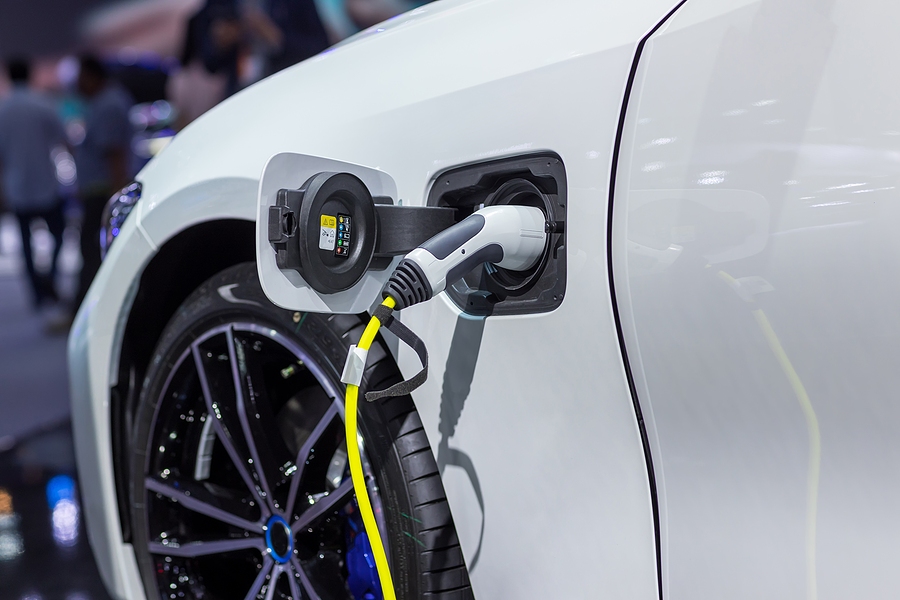
The Science: Why Heat is the Ultimate Enemy of Batteries
Lithium-ion batteries rely on chemical reactions to store and release energy. When temperatures climb above 95°F, these chemical reactions speed up dramatically. While this can actually provide a slight, temporary boost in performance, it comes at a cost: it accelerates the internal wear and tear on the battery cells.
Over many years, consistent exposure to extreme heat can permanently reduce the total amount of energy the battery can hold, slightly shortening your maximum driving range.
The Savior: Liquid Cooling Systems
If you are worried about an EV battery dying after just a few summers, here is the good news: modern automotive engineers anticipated this exact problem.
Almost all newer EVs are equipped with an advanced Active Thermal Management System. Think of this as a built-in air conditioning system specifically for your car’s battery. When the vehicle detects that the battery cells are getting too hot—whether you are driving on the I-15 at noon or fast-charging in a parking lot—it circulates liquid coolant through the battery pack to keep temperatures in a safe, optimal zone.
Because of this technology, an EV parked in Henderson manages heat far better than older electric cars from a decade ago, protecting your long-term investment.
4 Easy Tips to Protect Your EV Battery in the Desert
While the vehicle does a lot of the heavy lifting to stay cool, a few simple habits can maximize your battery’s lifespan:
- 1. Leave It Plugged In When Parked: When your EV is plugged into a home charger, it can draw power directly from your house to run the battery-cooling fans. This keeps the battery cool without draining your driving range.
- 2. Park in the Shade Whenever Possible: It sounds simple, but garage parking or finding a shaded spot under a parking structure shields the entire cabin and battery pack from direct thermal radiation, reducing the workload on your car’s cooling system.
- 3. Minimize DC Fast Charging in Peak Heat: Ultra-fast chargers generate a lot of heat on their own. On a 115°F day, try to do your primary charging overnight at home when ambient temperatures drop, saving the fast chargers for highway road trips.
- 4. Utilize the Pre-Cooling Feature: Use your vehicle’s smartphone app to turn on the A/C while the car is still plugged into the charger. This cools the cabin down to a comfortable temperature using grid power, preserving your battery capacity for the road.
The Verdict: Is an EV Right for Southern Nevada?
Absolutely. While the desert climate requires a bit of mindfulness, the reality is that major manufacturers back their EVs with massive federal mandates: an 8-year/100,000-mile battery warranty is the standard minimum across the industry, and many brands offer even longer coverage.
Because we represent a vast array of manufacturers at our auto mall, you don’t have to guess which vehicle handles the heat best. You can talk to our experts, compare the different thermal management systems of various makes side-by-side, and find the perfect option for your driving routine.
Ready to experience electric driving for yourself? Check out the wide variety of electric and hybrid options available by visiting the Valley Automall website.
Frequently Asked Questions (FAQ)
Does running the A/C drastically reduce my EV’s driving range?
Blasting the air conditioning does use battery power, typically reducing your total range by about 10% to 15% in extreme heat. However, this is a temporary drop while the A/C is running and does not cause permanent damage to the battery’s lifespan.
What happens when an EV battery reaches the end of its life?
A battery rarely just “stops working” entirely. Instead, its maximum capacity slowly drops. An EV battery is generally considered ready for replacement or retirement when its total maximum range drops below 70% to 80% of its original factory capability.
Are hybrid batteries subject to the same heat risks?
Yes, hybrid and plug-in hybrid batteries experience similar chemical reactions in the heat. However, because they are smaller and heavily supported by a traditional gas engine, their cooling systems are highly optimized to keep them running efficiently for the lifespan of the vehicle.
Key Takeaways
- Built to Last: Modern EV batteries use advanced liquid cooling to safely navigate hot climates for 10+ years.
- Industry Protected: Every EV sold comes with a substantial manufacturer warranty protecting the battery pack against premature degradation.
- Smart Habits Matter: Parking in the shade and leaving the vehicle plugged in during peak heat help maintain long-term battery health.