Buying a used car from a private seller on the internet can feel like a gamble. The car might look immaculate on the outside, but underneath the hood, it could be hiding thousands of dollars in impending mechanical failures.
This is why experts heavily advise getting a Pre-Purchase Inspection (PPI) before handing over a cashier’s check. But what exactly happens during a PPI, and is it worth the out-of-pocket cost? Here is a breakdown of what a mechanic actually looks for when evaluating a used vehicle.
The Anatomy of a Pre-Purchase Inspection
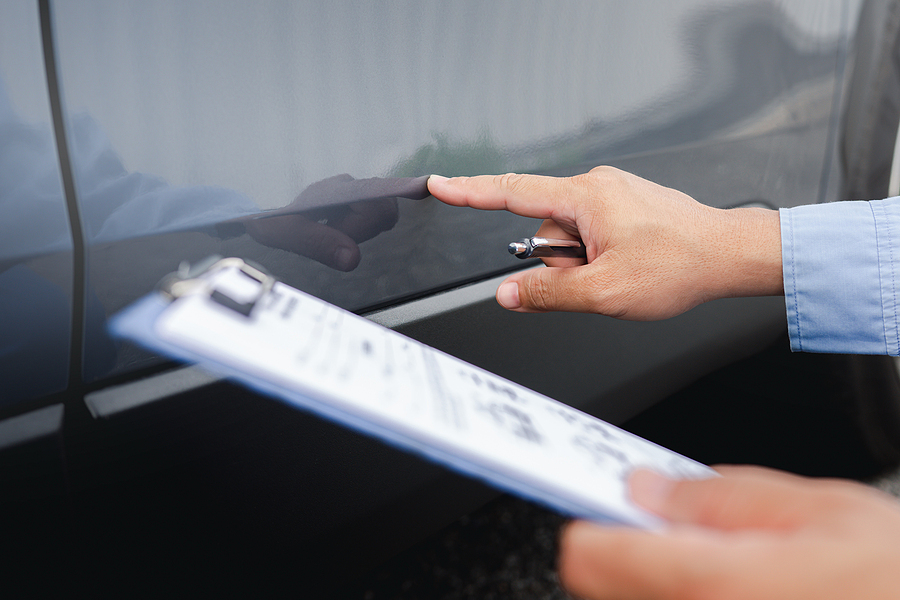
A proper PPI is not just a glance at the engine. It is a comprehensive, multi-point evaluation performed by a certified, independent technician. Depending on the shop, a PPI usually costs between $100 and $250.
A thorough inspection will cover these core areas:
1. The Computer Diagnostics
Before a mechanic even gets their hands dirty, they will plug an OBD-II scanner into the vehicle’s computer system. This checks for any hidden error codes. A shady seller might have temporarily cleared the “Check Engine” light right before you arrived; the scanner will reveal the truth about engine misfires, failing emissions equipment, or transmission faults.
2. The Under-Hood Inspection
The technician will thoroughly examine the engine bay, looking for major red flags, including:
- Fluid leaks (oil, coolant, power steering).
- The condition and level of all fluids.
- Cracked or dry-rotted serpentine belts and radiator hoses.
- Signs of a blown head gasket (like milky residue under the oil cap).
3. The Undercarriage and Suspension
Once the car is on a hydraulic lift, the real inspection begins. The mechanic will check:
- Frame Damage: Looking for welds or structural creases that indicate the car was in a major accident and poorly repaired.
- Suspension: Checking the shocks, struts, ball joints, and tie rods for excessive play or leakage.
- Brakes and Tires: Measuring the exact thickness of the brake pads and the tread depth of the tires to see if they need immediate replacement.
- Rust: Checking the exhaust system and floorpans for severe corrosion.
4. The Road Test
Finally, the mechanic will take the car for a spin to evaluate how it performs under stress. They are feeling for steering alignment, transmission shifting delays, strange suspension clunks, and brake vibrations that can’t be diagnosed while the car is parked.
The Valley Automall Advantage: Skip the Hassle
While paying for a PPI is highly recommended for private-party sales, it requires a lot of coordination. You have to convince the seller to let you take the car to a mechanic, pay the inspection fee out of pocket, and wait for the results.
When you buy a Certified Pre-Owned (CPO) vehicle at Valley Automall, the inspection is already done.
Every CPO vehicle on our lot has already passed a rigorous, manufacturer-mandated 100+ point inspection performed by factory-trained technicians. We check the engine, the suspension, the frame, and the computer systems before the car is ever allowed on the lot. If a component doesn’t meet strict factory standards, it is repaired or replaced with OEM parts.
Even better, because the vehicle has passed this strict inspection, it comes backed by an extended manufacturer warranty—giving you the peace of mind of a new car at a used car price, with zero out-of-pocket inspection fees.
Key Takeaways
- Expect a Deep Dive: A PPI covers computer diagnostics, undercarriage structural checks, fluid analysis, and a rigorous road test.
- Find the Hidden Costs: A $150 inspection can save you from buying a car that needs a $3,000 transmission rebuild a week later.
- Buy Certified: Purchasing a Certified Pre-Owned vehicle from Valley Automall means the rigorous inspection has already been completed and is backed by a warranty.