Most car shopping advice assumes a moderate climate. It talks about fuel economy, cargo space, and how a vehicle handles in the rain. That advice is fine, but it skips the single largest factor in how a vehicle holds up in Southern Nevada: sustained, punishing heat.
A summer afternoon here regularly pushes past 110 degrees, and asphalt surface temperatures climb far higher than the air above them. A vehicle parked outside all day is absorbing that load for hours at a stretch, week after week. Choosing well up front saves you money on repairs and makes the car far more pleasant to live with.
Here is what actually matters when you are shopping for a car in desert heat.
Start With the Cooling System
Every vehicle has a cooling system rated to handle normal operating conditions. Not every vehicle is rated for normal operating conditions in July in Las Vegas.
Ask about the cooling package specifically. Some vehicles offer upgraded radiators, auxiliary transmission coolers, or heavy-duty cooling as part of a towing or off-road package, and those upgrades are worth considering even if you never plan to tow anything. Stop-and-go traffic on a 110-degree day puts similar stress on a cooling system as pulling a trailer does.
For the air conditioning itself, pay attention to how quickly the system cools the cabin rather than how cold the air feels at the vent. A system that blows cold but takes fifteen minutes to bring the cabin down is going to frustrate you every single day.
Interior Materials Matter More Than You Think
Interior surfaces are where desert heat becomes immediately, physically obvious.
Dark leather absorbs and holds heat longer than lighter-colored upholstery, and it stays uncomfortably hot well after the AC has caught up. Lighter interiors in cloth or perforated materials cool down considerably faster. If you prefer leather, look for perforated seating, which breathes better and works with ventilated seat systems.
Ventilated or cooled front seats are one of the highest-value features available in this climate. They are often bundled into upper trim levels, so it is worth asking which trim adds them rather than assuming they are unavailable.
Also look up. Panoramic glass roofs let in a great deal of solar heat, and not all of them come with a solid retractable shade. A tinted glass panel alone is not the same thing as a shade.
Paint and Exterior Finish
Color affects cabin temperature. Lighter exterior colors reflect more solar energy and run measurably cooler inside than dark ones on the same vehicle.
Beyond color, ask about the clear coat and any available paint protection. Constant UV exposure breaks down clear coat over time, which is what produces the chalky, faded hoods and roofs you see all over valley parking lots. On a pre-owned vehicle, inspect the horizontal surfaces closely — the roof, hood, and trunk lid show sun damage long before the doors do.
If the vehicle has aftermarket window tint already applied, confirm it meets Nevada’s requirements for front side windows before you buy. Tint that is too dark is a citation waiting to happen, and removing it is not free.
Battery and Electrical Considerations
Heat is harder on batteries than cold is. High temperatures accelerate the internal chemical breakdown that shortens battery life, which is why batteries in desert climates routinely fail years sooner than their rated lifespan.
This is not really a reason to choose one vehicle over another, but it is a reason to ask when the battery was last replaced on any pre-owned vehicle you are considering, and to budget for more frequent replacement than the manufacturer’s estimate suggests.
For hybrid and electric vehicles, ask specifically about the thermal management system for the high-voltage battery. Active liquid cooling handles sustained heat far better than passive air cooling, and it makes a real difference to long-term battery health here.
Tires and Road Surface
Pavement temperature, not air temperature, is what your tires actually experience. Underinflated tires flex more, build additional heat, and fail more often in these conditions.
Check the tire date codes on any pre-owned vehicle. Rubber degrades with heat and UV exposure regardless of tread depth, so a tire with plenty of tread left can still be aged out. A vehicle that looks like it has good tires may need a new set sooner than you would expect.
What to Check on a Summer Test Drive
Schedule your test drive for the afternoon, not the morning. Let the vehicle sit in direct sun beforehand if you can.
- Time how long the AC takes to make the cabin genuinely comfortable, not just cool at the vent
- Run the AC at full output while the vehicle idles in traffic and watch the temperature gauge.
- Touch the seats, steering wheel, and shifter after the car has been sitting.
- Check whether rear vents exist and actually move air if you carry passengers.
- Note how much glare comes through the windshield and side glass.
Frequently Asked Questions
Does a lighter-colored car really stay cooler? Yes. On otherwise identical vehicles, lighter exterior colors reflect more solar energy and produce noticeably lower cabin temperatures after sitting in direct sun.
Are ventilated seats worth paying for? In this climate, most owners say yes. They address the specific discomfort of hot seating surfaces that air conditioning alone takes several minutes to resolve.
Should I avoid buying a used car that has spent its life in the desert? Not necessarily, but inspect it differently. Focus on paint condition, interior cracking and fading, tire age, and cooling system service history rather than assuming mileage tells the whole story.
Do electric vehicles handle desert heat well? It depends on the thermal management system. Ask whether the battery is actively cooled and how the manufacturer’s warranty addresses capacity loss.
Shop in One Place Instead of Five
The features that matter most in desert heat cooling packages, ventilated seating, and interior material options are trim and package decisions, and they vary widely from one brand to the next. Comparing them properly means seeing them side by side.
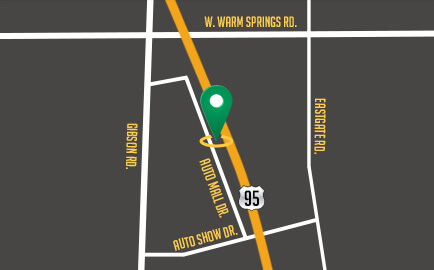
Valley Automall brings 22 dealerships and 28 brands together at one Henderson location, so you can compare cooling and comfort features across brands in a single afternoon instead of driving the valley for a week. Visit us to start your search, or browse our certified pre-owned inventory to see what is available now.