Most of the hesitation around trading in a vehicle comes from not knowing how the process works. People worry they will be rushed, or that something will happen in a back office that they cannot see.
The process is more straightforward than its reputation suggests. Here is the whole sequence.
Before You Go: What to Bring
Gathering these ahead of time is the difference between finishing in one visit and making a second trip.
- The title, if you own the vehicle outright
- Loan account information, if you are still paying it off: lender name and account number
- Current registration
- Valid driver’s license for every person listed on the title
- All keys and remotes, including the spare
- Service records, if you have kept them
- Owner’s manual and any accessories that came with the vehicle
Two of these are worth emphasizing. Missing keys are one of the most common deductions in an appraisal, and they are avoidable. And if two people are named on the title, both generally need to be present to sign.
How the Appraisal Works
An appraiser is assessing a handful of things, and knowing what they are removes most of the mystery.
They start with the basics: year, mileage, trim, and factory options. Then they walk the exterior for paint condition, panel alignment, glass, and evidence of prior repair. Inside, they check upholstery, electronics, and whether everything functions as it should. Mechanically, they look at the engine and transmission, brakes, suspension, and tire condition, usually including a short drive.
Finally, they pull the vehicle history report and check the title status.
The whole process usually takes twenty to thirty minutes. You can typically hand over the keys and continue shopping while it happens, which is the most efficient way to spend the time.
What Helps and What Does Not
A clean vehicle appraises better than a dirty one. This is not entirely rational, but it is consistently true; clean presentation suggests careful ownership. Wash it and clear out the interior.
Minor cosmetic repairs are usually not worth doing yourself. The dealership can perform reconditioning far more cheaply than a retail body shop will charge you, so paying retail to fix a scuff rarely comes back to you.
Mechanical issues you already know about should be disclosed. They will be found during the inspection, and disclosure is faster than discovery.
If You Still Owe on the Vehicle
This is common, and it is not a problem. Dealerships handle loan payoffs routinely.
The dealership contacts your lender for a payoff amount, which is the exact figure required to close the loan on a given date. That amount is then settled as part of the transaction.
If your vehicle appraises for more than the payoff, the difference goes toward your new purchase. If it appraises for less, a situation usually called negative equity, the remaining balance has to be handled, either paid directly or rolled into new financing. Rolling it in is convenient but increases what you finance, so it is worth understanding clearly before you agree to it.
Either way, ask for the numbers in writing before signing anything.
Timing
A few practical notes. Appraisals have an expiration, typically a set number of days, because condition and market conditions change. If you are not ready to buy, you can still get appraised, but expect to redo it later.
Weekday mornings are the least busy time for appraisals. And if you are shopping across several brands, getting appraised once early gives you a consistent figure to work with at every conversation rather than starting over at each one.
Frequently Asked Questions
Do I have to buy a car to trade one in? Not always. Many dealerships will purchase a vehicle outright without a corresponding sale. Ask whether that option is available.
Can I trade in a vehicle I still owe money on? Yes. The dealership handles the payoff with your lender directly as part of the transaction.
Does a trade-in have to go to a dealership that sells the same brand? No. Dealerships accept trades of any brand regardless of what they sell.
What if I have negative equity? It is manageable. The remaining balance is either paid or financed into the new loan. Ask to see how that affects your total financed amount before deciding.
How long does the whole process take? The appraisal itself runs twenty to thirty minutes. The full transaction, including paperwork, typically takes a few hours.
Get Appraised While You Shop
The most efficient approach is to arrive prepared, hand over your keys for appraisal, and use that time to look at your next vehicle instead of sitting in a waiting room.
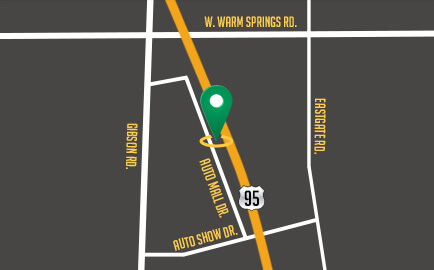
Valley Automall brings 22 dealerships together at one Henderson location, so you can get appraised once and then compare vehicles across 28 brands without repeating the process. Visit us to get started, or read our guide to certified pre-owned vehicles if you are considering a used purchase.