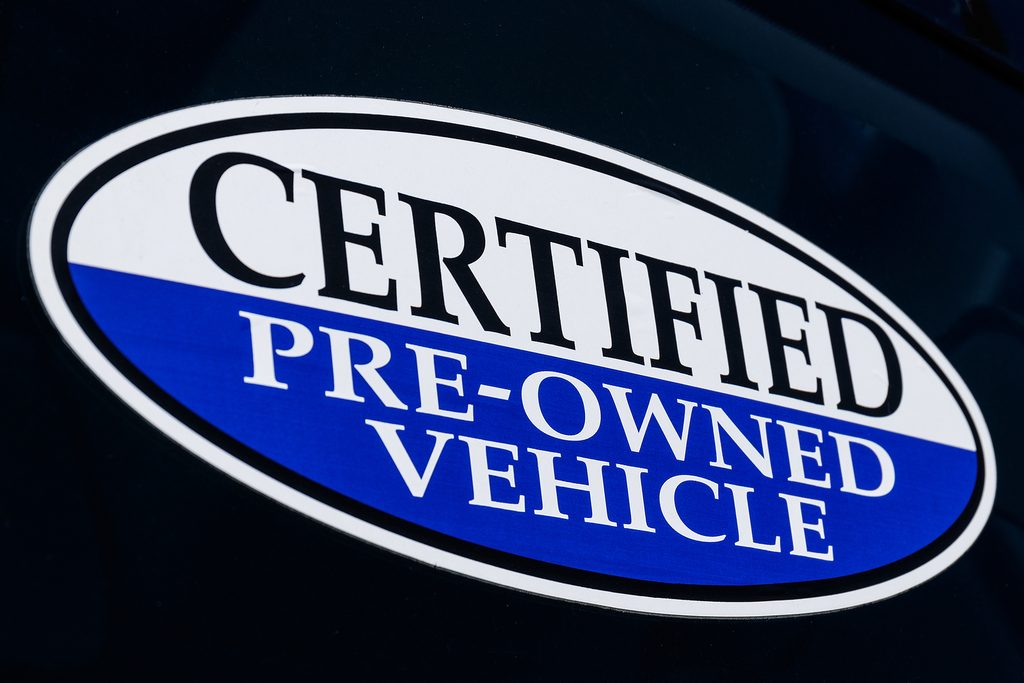
“Certified pre-owned” gets used loosely enough that a lot of shoppers assume it is a marketing label. It is not, at least not when it comes from a manufacturer program. But the term does cover several different things, and the differences matter a great deal to what you are actually buying.
Here is how to tell them apart.
Certified, Used, and Inspected Are Three Different Claims
Used means the vehicle has had a previous owner. That is the entire claim. Condition, history, and remaining warranty vary enormously.
Inspected means someone looked the vehicle over. That is better than nothing, but the term has no fixed standard behind it. The depth of the inspection and the qualifications of the person performing it are entirely up to the seller.
Certified pre-owned means the vehicle passed a defined inspection process and qualifies for a warranty. The specifics depend on who is doing the certifying, which brings us to the part most shoppers skip.
Who Backs the Warranty
This is the single most important question to ask, and it is the one that separates a strong certified program from a weak one.
Manufacturer-backed certification means the vehicle met the automaker’s own standards and the automaker stands behind the warranty. That coverage is typically honored at any franchised dealership for that brand, anywhere in the country. If you move, or if you are on a road trip when something goes wrong, the coverage travels with you.
Dealer-backed certification means the selling dealership sets the standards and the dealership backs the warranty. Some of these programs are excellent. But the coverage is generally tied to that dealer or that dealer group, and if the business changes hands, you may have less recourse than you expected.
Neither is inherently disqualifying. You just need to know which one you are being offered, because the two are often presented in nearly identical language.
What the Inspection Actually Covers
Manufacturer programs generally publish a checklist, and the item count tends to get quoted in advertising. The count matters less than the categories.
A serious inspection covers the engine and drivetrain under load rather than just at idle, the braking and suspension systems, the electrical and electronic systems including every accessory, structural integrity and evidence of prior collision repair, and the condition of wear items like tires, belts, and the battery.
It should also include a review of the vehicle history report and a check that the mileage and title status are clean. Vehicles with branded titles, salvage, flood, or lemon law buyback are typically excluded from manufacturer certification entirely.
Eligibility Limits
Manufacturer programs restrict which vehicles can be certified, usually by age and mileage. A vehicle past those thresholds cannot be certified no matter how good its condition.
This is worth knowing because it explains why an excellent used vehicle might not carry certification. The absence of a certified badge is not evidence of a problem. It often just means the vehicle aged out.
Certification Across a Multi-Brand Group
If you are shopping somewhere that houses many franchises, certification standards will differ from brand to brand. Each manufacturer sets its own inspection criteria, its own eligibility limits, and its own warranty terms.
This is an argument for comparing certified vehicles across brands rather than within one. The programs are not equivalent, and the differences are sometimes substantial.
Questions to Ask Before You Sign
- Is this certification backed by the manufacturer or by the dealer?
- How long does the coverage last, and does it run from the original sale date or from my purchase date?
- What specifically is covered, and what is excluded?
- Is the coverage transferable if I sell the vehicle?
- Can I see the completed inspection checklist for this vehicle?
- Does the coverage include roadside assistance or a loaner during covered repairs?
Any dealership should be able to answer all six without hesitation.
Frequently Asked Questions
Is certified pre-owned worth it? It depends on the program. Manufacturer-backed coverage on a vehicle you plan to keep several years usually is. Dealer-backed coverage on a vehicle you plan to replace quickly may not be.
Does certification mean the vehicle has never been in an accident? Not necessarily. It means the vehicle passed inspection and has no branded title. Minor repaired damage may still be disclosed on the history report, which is why you should read it.
Can I still negotiate on a certified vehicle? Yes. Certification affects what you are buying, not whether the terms are open to discussion.
Does the certified warranty replace the original factory warranty? Often it extends or supplements it. Ask how the two interact on the specific vehicle you are considering.
Compare Certified Programs Side by Side
Because certification standards vary by manufacturer, the most useful thing you can do is compare programs directly rather than taking one dealership’s word for what certified means.
Valley Automall houses 22 dealerships and 28 brands at one Henderson location, which makes that comparison a single conversation rather than a week of phone calls. Visit us to review certified inventory across brands, or read our guide to trading in your current vehicle if you have one to put toward the purchase.